 Ronny Dahl
A: Start with fresh foods and meat and use those first. Bring non-perishable food as a backup, like packets of rice and tins of tuna, which are a great source of protein.
What Ronny Dahl packs in his portable fridge for a 900km off-grid trip
- Date Published: 23 November 2025
-
 Ronny Dahl
I’ve just done an epic trip from Perth, along the Gunbarrel Highway and onto the Connie Sue. In this post, I’m sharing what I keep in my portable fridge and how I pack food, drinks and snacks, while keep everything fresh on a remote 900km trip.

The portable fridge and power setup
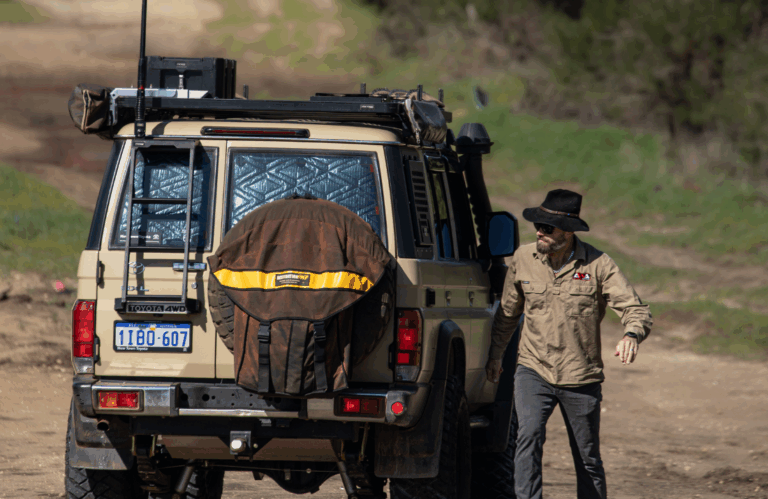
I’m using the Bushman’s DC-X 130 litre 12V upright fridge in my 4WD setup, with solar power as a backup. The highest temperature we’ve had out here is 48, so it’s pretty hot, and the fridge definitely comes in handy. We tend to move around a lot especially in 40-degree heat because it’s too hot to stay in one place, so the car’s running a lot of the time, keeping the fridge powered.
If we’re staying in one spot for a few days, I’ll take solar. In my Norweld canopy I’ve got around 400-amp hours of solar power. We charge all kinds of things on that setup and I’ve never gotten anywhere near to using even 50% of the power. We could probably sit here for 3-4 days and have enough power.
Challenges for keeping food fresh in high temperatures
Having a fridge that’s half full draws a lot more power, so that’s something that I always try to avoid. One of the most important things for keeping food fresh in hot weather is having your fridge items distributed in the right manner, so that all the cold stuff, like meat, is at the bottom.
One of my biggest concerns out here was the corrugation on the roads and if the fridge door isn’t shut properly, it could lead to disaster. The great thing about the Bushman fridge is you can always tell when door is shut because it has distinctive click and the door will not budge unless you grab the latch at the top.
When I travelled on the Canning Stock Route, I used the Bushman’s 35-litre chest fridge that expands up to a 52-litre fridge. I expanded it on the Canning and that was awesome, the layout of the stacking baskets meant that we could have all the cold meat and bottles of cold water at the bottom, and then pretty much just a layer of ice coffee in the middle, and all our fruit and veg at the top, keeping everything really fresh.
Essential foods packed for 900kms off-grid
I’ll usually go through Woollies or Coles before a big trip and look for expiry dates as long as possible. And I always pack jerky or biltong on a trip, that stuff is the bomb.
For fruit and veg, try to get the freshest stuff you can. I tend to avoid bananas and avocados, just because they go off. I even avoid taking them at the start of a trip because if we forget them somewhere in the car, it can set everything else off.
For fruit, like strawberries and pineapple, go with the fresh stuff first and once you run out of that, dig into your cans. When you run out of all the other things, like your snacks, lollies and stuff; a cold can of pineapple from the fridge is unbelievable. Also, M&Ms that come from the fridge when it’s hot are awesome.

Food safety and freshness tips for long trips
Vacuum sealing all your meat and packing your fridge with a cold mass at the bottom is the way to go. Here’s a few of my other top tips for keeping food fresh on long trips.
Keep track of expiry dates.
If you’re travelling with a smaller fridge, take your sausages or meat out of the packet and put them in a snap lock bag. Keep a permanent marker handy and write the date down so you always know which one to use first.
Create a cold mass in the fridge.
Keep as much of a cold mass in the fridge as you can, so the fridge doesn’t have to work as hard. Store your big pieces of meat or bottles of water at the bottom of the fridge. This helps because when you open an upright all the cold air escapes, but if you have a big solid mass of cold in the bottom, it keeps the temperature down.
Pack cans smart.
When packing drinks, use a method of pulling one drink out and putting one drink in, rather than filling a whole shelf or row of drinks at the start of your trip and wasting space.
Consider road conditions.
If you have eggs, make sure you have the whole shelf filled up with other things that can hold them in, so if the eggs start moving around then you don’t have an omelette ready to go in the fridge!
Have a meal plan.
For meals, start with a rough plan, but swap things around based on expiry dates, to avoid any wastage.
Meal planning and cooking with a portable fridge
I plan simple meals and always use the freshest ingredients first.
Breakfast
For breakfast at home, I’m usually a big eggs guy, but out on the road when it’s hot, the last thing you want to do is cook in the heat. So, if you just want to get going in the morning, a nice thing to have is Greek yoghurt or coconut yoghurt and this is when your fresh fruit comes in handy. Get out your strawberries or fruit and chop them up with some muesli and yoghurt.
Lunch
Lunch is usually on the run, so I’ll just open the fridge and grab out some cold meats or a can of tuna and have them in a wrap and some salad. Coleslaw lasts quite a while compared to lettuce leaves and is easier to keep. Cold chicken, like shredded chicken or maybe some chicken from the night before, is also handy which can be stored in a snap lock bag and chucked in the fridge for lunch the next day.
Dinner
For dinner, I usually go with one of the main groups, beef, chicken or pork, sometimes lamb, with spuds which are a great long-lasting vegetable. We’ll just throw the meat and potatoes in the fire and make a nice roast.
Snacks
For snacks, once you start getting more room in the fridge, if you’ve got oranges or mandarins, chuck them in the fridge. When it’s hot out on the road, there’s nothing better than a cold juicy orange.

Top tips for using a portable fridge on multi-day trips
Keep your fridge stocked.
Always keep your fridge stocked as you go. Once you start using food, start filling the fridge back up with drinks.
Use the bottom tray of your fridge efficiently.
If you have a big chunk of meat, like a pork roast, start with it in the bottom tray of the fridge to create a nice big cold mass at the bottom of the fridge. Once you remove that, replace it with cans or drinks to keep the cold mass at the bottom, helping reduce the fridge’s overall power draw.
Reuse plastic bottles.
Hold onto your plastic bottles, then fill them up with water and shove them in the fridge. You’ll have cold water handy and more cold mass, so the fridge doesn’t have to work as hard.
How a portable fridge enhances the remote travel experience
I couldn’t imagine what it would be like without a fridge out here and I take my hat off to the early explorers.
Choosing a bigger fridge has been a gamechanger. This is my first experience with a 130 fridge this big, and honestly, I’m really surprised by the space in it. It’s much easier to pack a 130 litre and it’s almost like having a home fridge out here on the road.
Ronny’s top tips and takeaways:
A portable fridge is a must-have.
I would 100% recommend investing in a portable fridge and the Bushman’s hard to beat.
Choose the right fridge size.
Choose the fridge size you want and go for a bigger fridge if you can.
Think about your power setup.
A lot of people go for two fridges, but I would suggest trying to just go for one fridge if you can for a long trip off grid, or if you have a solar power system like mine two fridges are no problem.
A second freezer could come in handy.
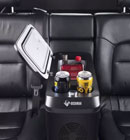
A console fridge is a handy companion if you’re travelling by yourself and need to freeze something, or if you have kids and want some ice cream or easy things to cook out on the road, like chicken nuggets, use your console as a second freezer.
Fridge capacity matters.
What I really like is the Bushman’s 32 litre fridge that you can expand to 52 litres – I think that’s a brilliant idea to increase the capacity by just adding a different lid. If I’m not doing the Canning Stock or a big trip like the Gunbarrel and am using it for everyday use, I just change the lid to the 32 litre capacity. It’s an awesome idea.
FAQs about portable fridge use on remote trips
Q1: What are the best foods to keep in a portable fridge for multiple days?
Q2: How do you power a portable fridge off-grid?
A: You’re relying on your car system, so always make sure that’s checked, and everything is good to go before you head off. If you’re hanging around in one spot, bring solar power. I have a 400 amp setup, which is more than enough.
Q3: What fridge size is best for a remote or off-grid trip?
A: Bigger is better (if you have the space). Whether you go for a 130-litre fridge, or a 10 or 20 litre fridge, it’s going to have the same initial power draw because the compressors are the same size. A 130 litre is much easier to pack for a big trip, but I’ve travelled with a 65-litre fridge off grid too, and you can get a fair bit in a 65-litre fridge as well.
Q4: How can I keep food fresh in hot conditions?
A: Keep large items like big pieces of meat, cans or water bottles in the bottom of the fridge and fresh food at the top. The colder mass keeps the whole fridge temperature down, and your other food stays nice and fresh.
Q5: What should I do if my fridge loses power on the trip?
A: Bring canned food and packet foods so there’s always enough food and a good backup. Travelling with the Bushman, I haven’t had a problem with losing power or temperature fluctuations, even in these 40-degree plus temperatures.
Most Popular Portable Fridges
-
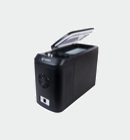
Bushman Roadie 15L Car Fridge
Heavy Duty Camping Fridge Freezer Series - 12V / 24V
$899 -
-
Original Bushman Fridge 35L Portable Fridge Freezer
Heavy Duty Camping Fridge Freezer Series - 12V / 24V
$1,399 -
-
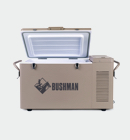
Original Bushman 35L-52L Camping Fridge
SC35-52 Modular Chest Fridge Freezer, Heavy Duty Series 12V/24V
$1,599 -
-
Bushman DF30-HD
30L Drawer Fridge / Deep Freezer Heavy Duty Series - 12V / 24V
$1,499 -


What Next?


-
 Free Shipping on Fridges
 -
3 to 7 Year Warranties
-
Easy Customer Service
-
Australian Owned & Operated
-
 Free Shipping on Fridges
 -
 3 to 7 Year Warranties
 -
 Easy Customer Service
 -
 Australian Owned & Operated